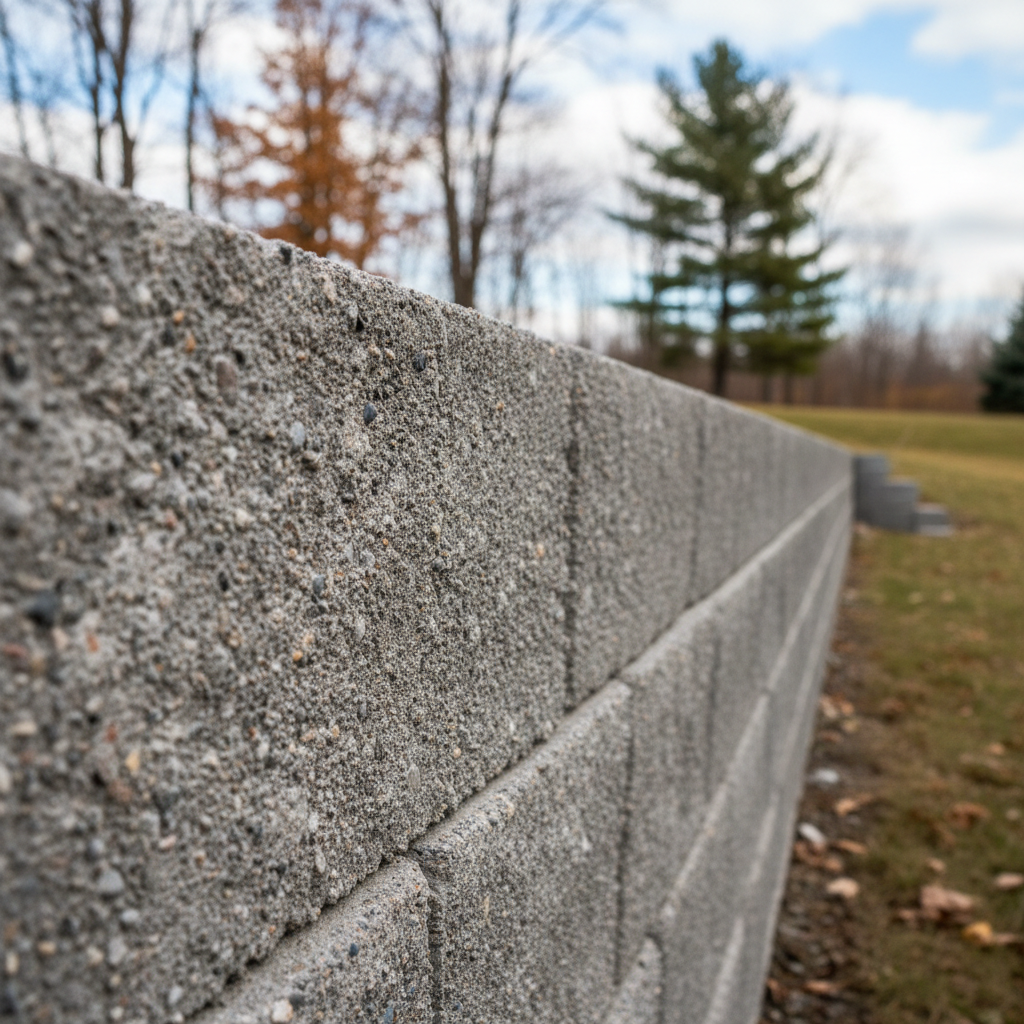
Got a sloped yard in Kingsford? Maybe you're dealing with erosion, or you just want to create some usable, flat space. A concrete retaining wall can be a fantastic solution. But before you grab a shovel, let's talk about what goes into these projects, what you can realistically do yourself, and when it's definitely time to call in the cavalry.
Before You Start: Planning and Permits
This is where a lot of folks trip up. You can't just throw up a wall wherever you want, right? First off, you need to understand your property lines. Don't build on your neighbor's land, obviously. Then, think about the wall's purpose. Is it holding back a small garden bed or a significant amount of soil that's pushing against your home's foundation? The bigger the load, the more critical proper design becomes.
Here in Kingsford, especially with our clay-heavy soils in some areas, drainage is huge. You absolutely need to plan for water management. Without it, hydrostatic pressure will build up behind your wall, and eventually, it'll fail. That's a costly mistake nobody wants.
And permits? Oh yeah, you'll likely need one. Any retaining wall over four feet tall, or one that supports a significant load or a structure, usually requires engineering and a permit from the city or county. Even smaller ones might need a basic permit. Don't skip this step. It's not just about avoiding fines; it's about making sure your wall is safe and up to code. You can call the Kingsford Building Department to find out exactly what's required for your specific project.
DIY vs. Professional: Where to Draw the Line
Okay, so what can a homeowner actually do? If you're building a small, decorative wall — say 18-24 inches high — and it's not holding back a lot of soil or supporting anything critical, you might be able to tackle it yourself. We're talking about basic block or segmental retaining walls, not poured concrete. You'll need to dig a proper trench for the base, lay a good gravel foundation, and ensure each course is level and plumb. It's hard work, but it's doable for someone handy with a level and a shovel.
However, when you start talking about walls over three feet, or anything that's going to be under significant pressure, that's when you really need to call a professional. Here's why:
- Engineering: Taller walls need to be engineered. This means calculating soil pressure, designing proper footings, and specifying reinforcement. This isn't guesswork; it's science, plain and simple.
- Excavation: Digging a deep, wide, and level trench for a substantial wall's footing is a huge job. You'll likely need heavy equipment, and operating that safely takes skill.
- Materials: Poured concrete walls, which are often the strongest option for taller applications, require forms, rebar, and precise concrete mixes. Getting that right is crucial.
- Drainage Systems: A professional knows how to install proper drainage, including perforated pipes, gravel backfill, and weep holes, to prevent water buildup.
- Longevity: A professionally built wall, designed and installed correctly, will last for decades. A DIY wall that's pushed beyond its limits could fail in a few years, costing you more in the long run.
For anything substantial, I can't stress this enough: get a few quotes from reputable contractors. At Premium Concrete Co, we've seen plenty of DIY retaining wall failures, and fixing them is always more expensive than doing it right the first time.
During the Project: What to Watch For
If you're doing a small DIY wall, take your time. Measure twice, cut once, and level constantly. Don't skimp on the base material. A solid, compacted gravel base is the foundation of your foundation. And remember that drainage layer behind the wall – it's not optional.
If you've hired a pro, don't be afraid to ask questions. A good contractor will be happy to explain their process. They should be talking about proper excavation, compacted aggregate bases, rebar placement (if it's poured concrete), and drainage. Make sure they're using quality materials and following the engineered plans. Look for clean work, precise measurements, and a crew that knows what they're doing.
After the Project: Maintenance and Care
Once your retaining wall is up, whether you built it or we did, it's not entirely 'set it and forget it.' You'll want to do a few things to keep it in top shape:
- Monitor Drainage: After heavy rains, especially with our spring thaws and heavy snowmelt here in the U.P., check to make sure water is flowing away from the wall and through any weep holes or drainage systems. If you see standing water or bulging, that's a red flag.
- Keep it Clear: Don't let heavy shrubs or trees grow too close to the wall. Their roots can put pressure on it over time. Also, keep the area around the base clear of debris that could block drainage.
- Inspect for Cracks: Small hairline cracks are often nothing to worry about, especially in concrete, but larger, spreading cracks or sections that are shifting are signs of a problem. Catching these early can save you a lot of headache.
- Avoid Overloading: Don't pile extra soil, heavy rocks, or other materials on top of the retained soil behind the wall unless it was specifically designed for that extra load.
A well-built concrete retaining wall is a fantastic investment for your property. It can solve real problems and add a lot of curb appeal. Just make sure you approach the project with a clear understanding of what it takes, and don't hesitate to call in the experts when the job calls for it. We're always here at Premium Concrete Co if you need a hand or just some advice.